The best confinement nanny is not simply the person with the longest resume. She needs the right newborn-care experience, a communication style that works in your home, and clear expectations about meals, night care, feeding support, and household duties.
Start by writing down what your family actually needs. This gives an agency useful matching criteria and gives you a fair way to compare interviews.
What should you decide before reviewing profiles?
Discuss the following with your partner or family before the first shortlist arrives:
- Your expected due date and preferred care period.
- Languages used at home and who will communicate most with the nanny.
- Breastfeeding, pumping, combination feeding, or formula plans, while allowing for plans to change.
- Dietary preferences, allergies, religious requirements, and who else needs meals.
- Whether the nanny will work alongside a helper or support older children, twins, or pets.
- How much teaching and parent participation you want before the placement ends.
A clear brief does not make the match rigid. It helps the agency avoid profiles that are obviously unsuitable and leaves interview time for the questions that matter.
Five areas to compare
AreaWhat to look forWhat to ask Newborn careCalm handling, hygiene awareness, feeding support, safe sleep knowledgeHow would you settle a baby who remains unsettled after feeding? Mother supportRespect for recovery, rest, feeding choices, privacy, and emotional changesHow do you support a mother without taking control away from her? CommunicationClear updates, willingness to listen, and comfort explaining decisionsHow do you handle a preference you would approach differently? Food and homeMenu variety, dietary flexibility, kitchen hygiene, and realistic dutiesHow do you plan meals when the family has allergies or dislikes? HandoverTeaching, written logs, and preparation for life after confinementWhat do you teach parents during the final week?Check legal readiness in Singapore
If you are hiring a foreign confinement nanny, confirm who will handle the required Work Permit and when. Singapore's Ministry of Manpower states that an employer or appointed employment agency can apply, and publishes the current application window, fees, and permit conditions.
Ask for written confirmation of the employment agency, permit process, insurance arrangements, replacement terms, salary, levy, transport, and any deposit. Do not rely on a verbal summary for financial or legal terms.
Questions worth asking in the interview
- Tell us about a newborn-care situation that required you to change your usual approach.
- How do you share feeding, sleep, and diaper updates with parents?
- How do you support direct breastfeeding when the mother needs more rest?
- What household tasks do you consider part of your role, and what falls outside it?
- How do you work with a family helper, grandparents, or an older child?
- What would make you alert the parents or ask them to contact a healthcare professional?
Listen for specific examples. A confident answer explains what the nanny observed, what she did, how she involved the parents, and what happened next.
Red flags during matching
- Pressure to confirm before you understand fees or terms.
- Claims that a nanny can diagnose or treat medical conditions.
- Dismissal of your feeding choices, household boundaries, or healthcare advice.
- Unclear answers about availability, permit status, replacement support, or duties.
- A profile that sounds strong but does not address the priorities in your brief.
Make the final decision as a household
After each interview, score the same five areas and write down any follow-up question. Do not choose only from memory. The most experienced nanny may not be the best communicator for your family, while a warm interview still needs to be backed by relevant skills and clear terms.
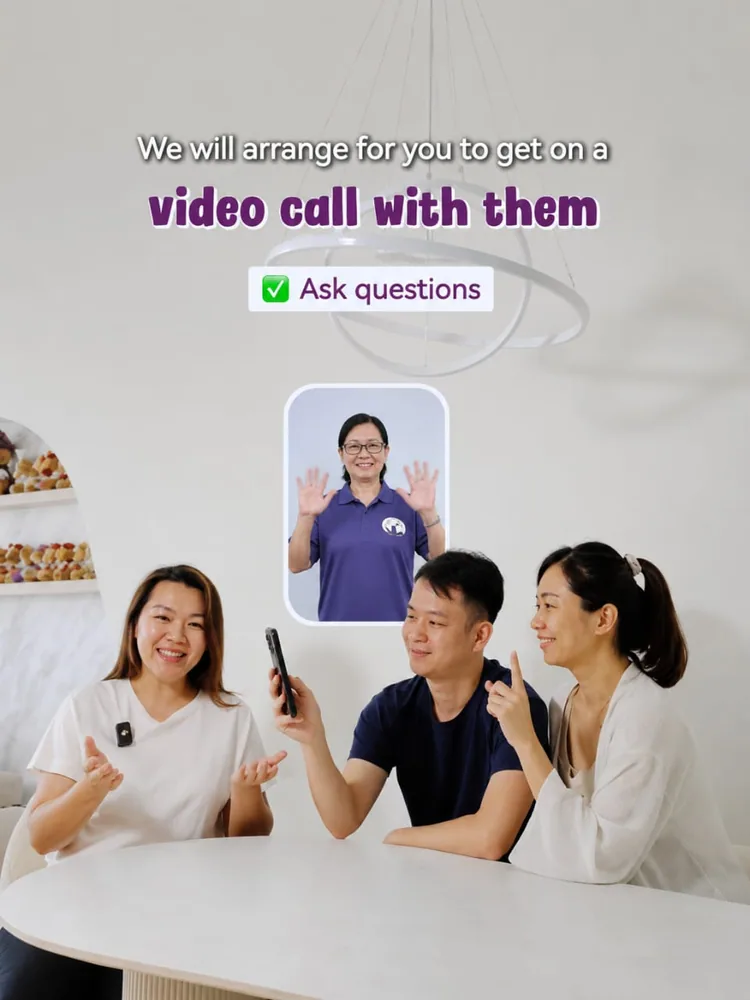
NannyMoon's matching process starts with household preferences, then moves to shortlisted profiles and video interviews. You can also review the training pathway and client stories before making an enquiry.